The journey towards net zero starts with supplier choices
Around 93% of Alligo’s climate impact occurs in the manufacturing of products. Reaching the target of net zero emissions by 2050 therefore requires close, systematic collaboration with suppliers and transport partners. Through clear requirements, continuous follow-up and long-term partnerships, Alligo is driving change across the entire value chain. In 2025, the share of suppliers complying with Alligo’s Supplier Standard increased from 77% to 83%.
A supplier standard that enables sustainable business
Alligo’s Supplier Standard includes contractual requirements and an accepted Supplier Code of Conduct, covering social responsibility, environmental performance and chemical restrictions. Suppliers are also required to complete a self-assessment based on the Code of Conduct.
The objective is clear: to ensure that suppliers within Alligo’s standard assortment meet high expectations in both social and environmental areas.
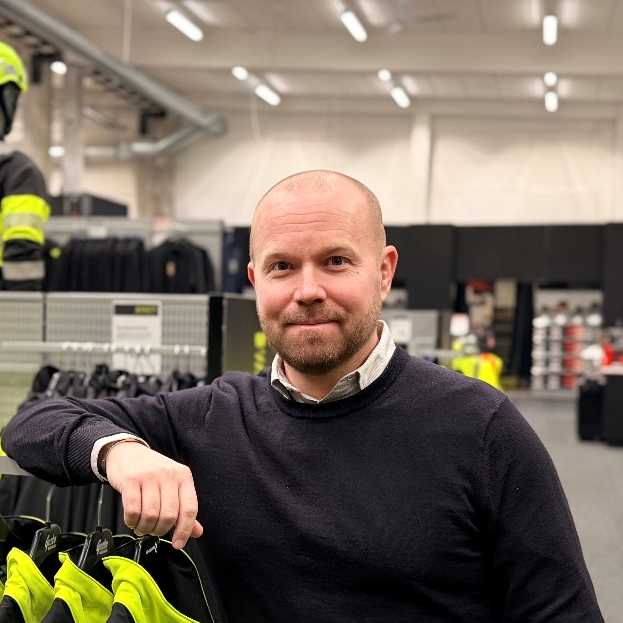
– All new suppliers must meet the requirements of our Supplier Standard. It is a mandatory part of our contracts and not open for negotiation”, says Fredrik Klein, Head of Purchasing and Assortment at Alligo.
One of Alligo’s strategic sustainability targets is that 95% of suppliers within the standard assortment comply with the Supplier Standard. During 2025, updated contract templates, intensified supplier dialogue and factory visits led to a significant improvement in results, increasing compliance from 77% in 2024 to 83%
Science-based climate targets strengthen collaboration
Since most of Alligo’s climate impact stems from product manufacturing, one of the key climate targets is that 72% of suppliers will have science-based climate targets by 2029.
– “It’s a basic requirement for becoming a supplier to Alligo. We have integrated it into our contracts and explained why it matters. For us, it’s about creating trust for our customers and ensuring that we are all working towards the same goals,” Fredrik explains.
Growing sustainability knowledge across global markets
Over the past five years, sustainability knowledge among suppliers has increased significantly. Geographic location is becoming less relevant, and today many large Asian suppliers demonstrate sustainability maturity on par with European counterparts.
Suppliers within Alligo’s own brands for workwear and personal protective equipment are often at the forefront, while smaller companies and suppliers in certain tool categories face greater challenges in allocating resources and strengthening their sustainability capabilities.
Customer-driven transition to fossil-free transport
Transport accounts for less than one percent of Alligo’s total climate emissions, but it remains an important area for improvement, driven largely by customer expectations.
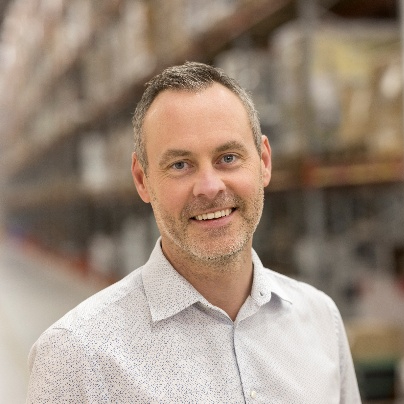
Products are transported by external partners, primarily by sea and road, to Alligo’s logistics centres and onward to stores or directly to customers. During 2025, the share of fossil-free transport increased through collaborations with carriers using HVO, biogas and electric vehicles.
– Choosing fossil-free transport solutions is easier today than it was before, even though costs are higher and infrastructure is still developing. Customers are increasingly asking for climate-smart delivery options, and we offer different solutions depending on country and region,” says Pontus Glasberg, Head of Logistics at Alligo.